
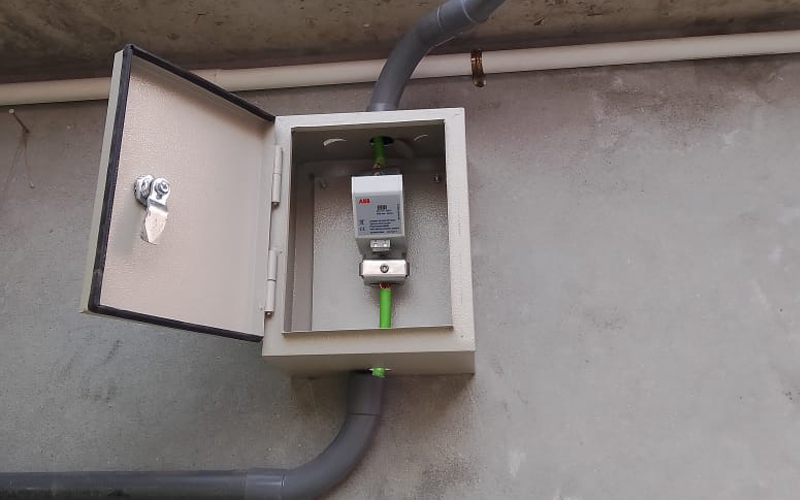
An effective earthing (grounding) system is a fundamental requirement for electrical safety and system stability in any building or industrial facility. In Bangladesh, where soil conditions, humidity, and seasonal variations can significantly affect grounding performance, proper earthing design becomes even more critical.
A well-designed earthing system ensures safe dissipation of fault current, protects electrical equipment, and reduces the risk of electric shock, fire, and system failure.
1. Understanding Soil Resistivity
Soil resistivity is one of the most important factors in earthing system design. It determines how easily electrical current can flow into the ground.
Key Points:
- Different soil types (clay, sand, rocky) have different resistivity
- Moisture content greatly affects conductivity
- Seasonal changes (rain/dry season) impact performance
Conduct proper soil resistivity testing before designing the system.
2. Selecting the Right Earthing Method
Choosing the correct earthing method depends on the site condition and application.
Common Types:
- Plate Earthing
- Pipe Earthing
- Chemical Earthing
- Rod Earthing
In Bangladesh, chemical earthing is often preferred due to its stable performance in varying soil conditions.
3. Proper Selection of Materials
Using high-quality materials ensures durability and long-term performance.
Recommended Materials:
- Copper bonded rods
- GI (Galvanized Iron) conductors
- High-quality clamps and connectors
Poor quality materials can corrode quickly and increase resistance.
4. Achieving Low Earth Resistance
The main goal of an earthing system is to maintain low resistance.
Best Practices:
- Use multiple electrodes if needed
- Increase electrode depth
- Maintain proper spacing between electrodes
Ideal earth resistance typically should be less than 1–5 ohms depending on application.
5. Considering Environmental Conditions
Bangladesh has high humidity, heavy rainfall, and seasonal flooding, which affect earthing performance.
Design Considerations:
- Protect earthing pits from waterlogging
- Ensure corrosion protection
- Use weather-resistant materials
Proper design ensures consistent performance throughout the year.
6. Integration with Electrical System
The earthing system must be properly integrated with the overall electrical infrastructure.
Includes:
- Equipment grounding
- Neutral grounding
- Lightning protection grounding
A well-integrated system improves safety and reduces electrical faults.
7. Testing and Maintenance
Even a well-designed system requires regular testing to ensure effectiveness.
Testing Methods:
- Earth resistance testing
- Continuity testing
- Inspection of connections
Regular maintenance prevents performance degradation over time.
8. Compliance with Standards
Earthing systems must follow national and international standards.
Standards to Follow:
- IEEE Standards
- IEC Standards
- Local electrical safety codes
Compliance ensures safety, reliability, and legal approval.
9. Professional Design and Installation
Improper installation can make even a good design ineffective.
Why Professional Service Matters:
- Accurate design based on site condition
- Proper installation techniques
- Reliable long-term performance
Always work with experienced engineering professionals.
Conclusion
Designing an effective earthing system in Bangladesh requires careful planning, proper material selection, and consideration of environmental factors. By following best practices such as soil testing, using quality materials, ensuring low resistance, and regular maintenance, you can achieve a safe and reliable grounding system.
A properly designed earthing system not only protects people and equipment but also ensures smooth and uninterrupted operation of electrical systems.